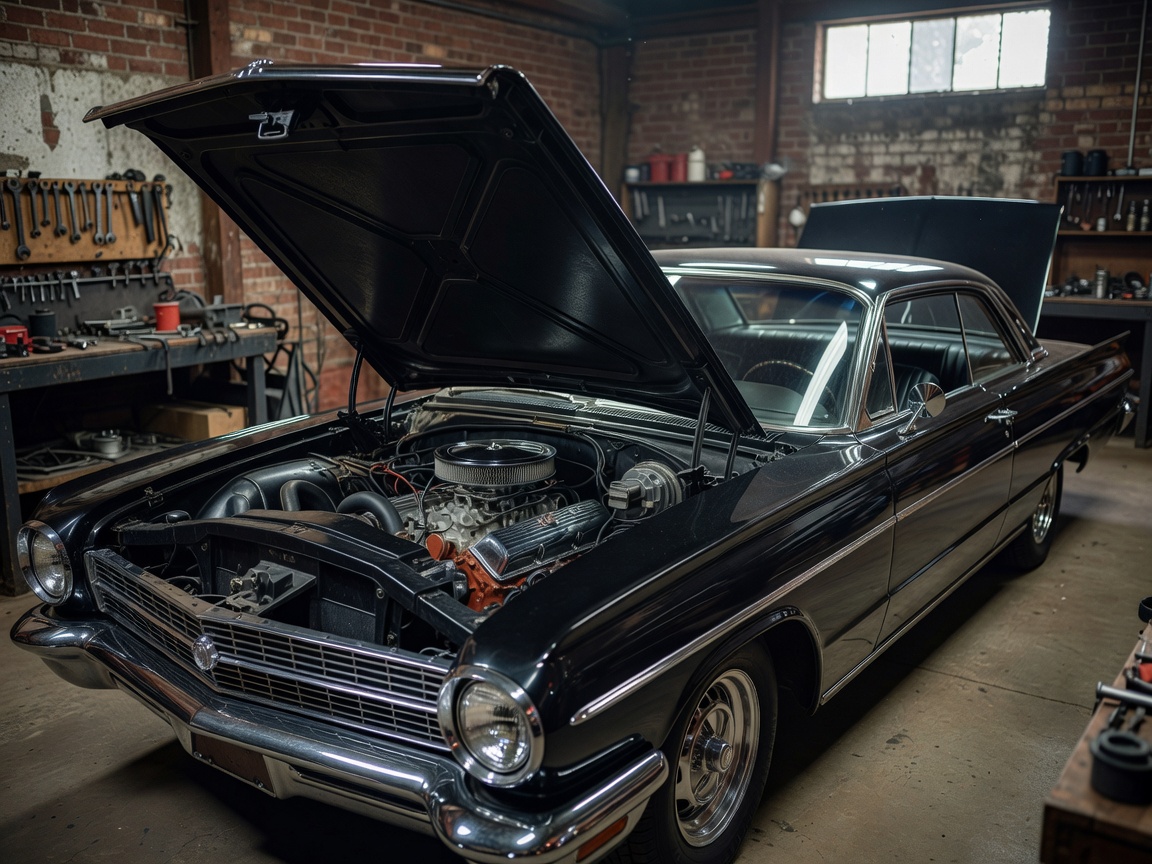
Why Classic Cars Require Different Physics
Modern cars are built with rigid monocoque tubs, anti-corrosion zinc coatings, and standardized tow eye sockets engineered into the chassis rails. A 1954 Italian barchetta or a 1928 supercharged tourer, by contrast, features hand-rolled aluminum skins stretched across slender multi-tube frameworks or ash-wood sub-structures.
If a transport technician attaches a heavy ratchet hook to an axle casing or tubular control arm on a historic vehicle, they risk distorting the chassis alignment before the transporter has even shifted into gear. Classic car logistics demands non-invasive tie-down strategies that treat the vehicle like an unibody sculpture.
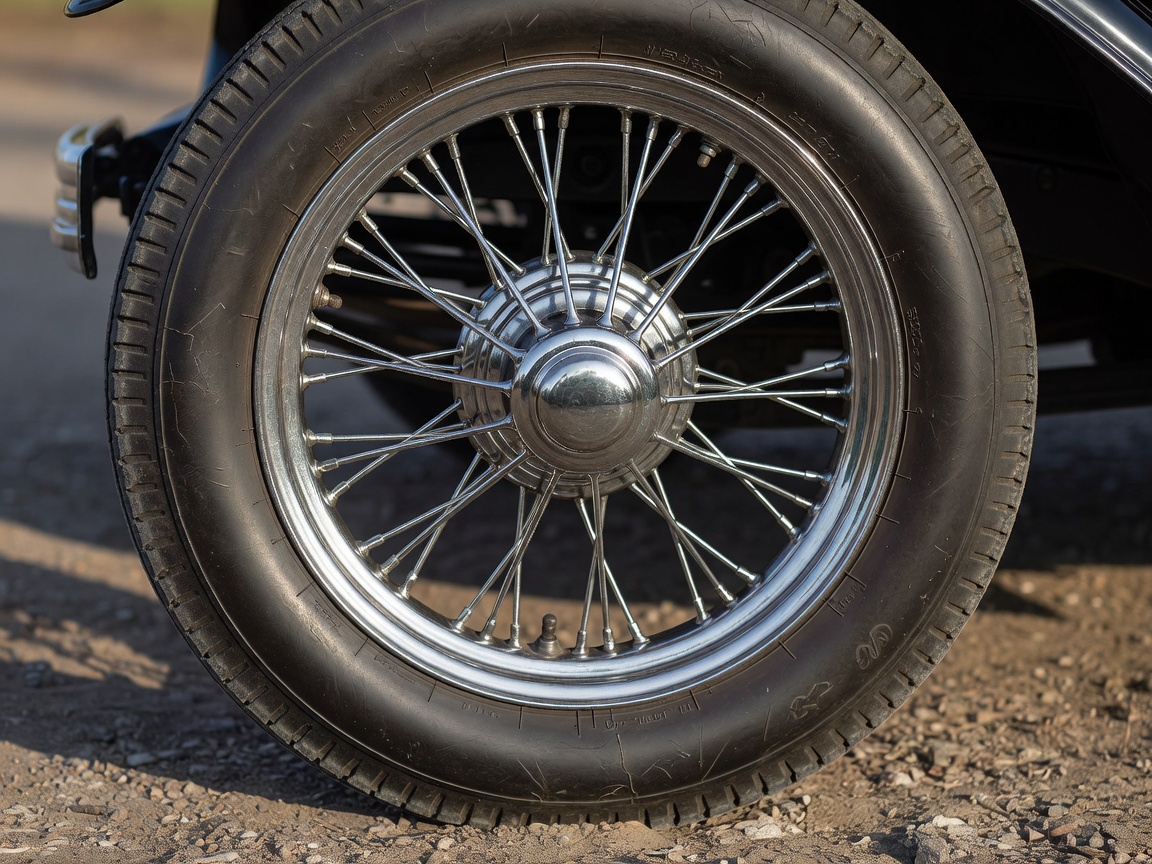
The Wire Wheel Conundrum
Rudge-Whitworth style knock-off wire wheels are beautiful, but their spokes are tensioned to withstand rotational torque, not sideways ratcheting loads from transit tie-down straps.
- Never pass nylon tie-down straps between wire spokes
- Utilize contoured perimeter tyre cradles that hold only rubber
- Avoid overtightening ratchet tension against vintage bias-ply sidewalls
Fluid Management and Venting
Modern cars feature sealed fuel tanks with evaporative recovery canisters and sealed cooling circuits. Vintage machinery breathes openly to the atmosphere. Older float-bowl carburetors can leak fuel if subjected to steep trailer angles or violent vertical oscillation.
Before transit, our recommended protocol includes:
- Manual Petcock Closure: Verifying gravity-fed fuel taps are closed tight so fuel cannot overcome needle valves and flood crankcases in transit.
- Drip Trays Under Drivetrain: Even the most meticulously maintained vintage powerplants may weep a drop of gear oil. Premium enclosed trailers feature zinc-lined or removable oil catch pans to prevent drops from staining the trailer floor or dripping onto vehicles beneath.
- Low-Fume Air Exchange: Enclosed transporters moving historic cars must have continuous passive or active airflow systems to prevent volatile vapor accumulation during hot summer cross-border transit.
Preparing a Collector Vehicle for the Journey
An owner or collection manager can take several proactive steps to minimize transit stress:
| Vehicle Element | Pre-Transit Step | Atelier Reason |
|---|---|---|
| Battery Isolator | Disengage mechanical cut-off master switch | Prevents accidental short circuits from vintage cloth wiring |
| Side Windows | Leave cracked 5mm if stored dry | Equalizes pressure inside cabin during elevation changes |
| Convertible Tops | Erect and latch soft tops securely | Prevents framework vibration and fabric sagging under airflow |
| Handbrake Cable | Leave in neutral/gear with wheel chocks; release cable | Prevents vintage drum shoes from binding or seizing onto drums |
Concourse Presentation at Destination
If the car is en route to a prestigious lawn like Pebble Beach, Salon Privé, or Concorso d'Eleganza Villa d'Este, delivery cannot involve dusty fingerprints on lacquer or muddy footprints on Wilton wool carpets.
Professional enclosed handling uses breathable, fleece-lined indoor transport covers that prevent fine transit dust from settling on concours-detailed paint. Transport drivers must wear clean cotton gloves when handling steering wheels, doors, and exterior trim.
Transit Insurance for Irreplaceable Machinery
A common misconception is that standard carrier insurance automatically covers agreed historic valuation. Standard road transport in Europe often defaults to CMR convention limits, which cap compensation based on weight (typically under €12 per kilogram)—a catastrophic shortfall for a 900kg vintage sports car worth millions.
Always verify that the logistics arrangement incorporates an All-Risks Agreed Value endorsement covering physical loss, structural damage, and depreciation, valid across all transit borders without gaps.
Curator Note
When dealing with historic machinery, patience is the ultimate tool. Never rush an engine start on a cold morning simply to load a trailer; use a winch and soft webbing every single time.