
Why the Condition Report Protects Both Sides
An old aphorism in automotive transport goes: if it isn't noted on the collection slip, it happened on the road. A thorough condition report protects both the vehicle owner and the transport operator. It establishes an indisputable baseline of the car's state the minute responsibility shifts.
Too often in budget transport, an operator arrives in a rush, scribbles a signature on a wrinkled carbon copy in fading twilight, and loads the vehicle without adequate inspection. For a high-value collector car, collection must be conducted under clean, bright, and deliberate conditions.
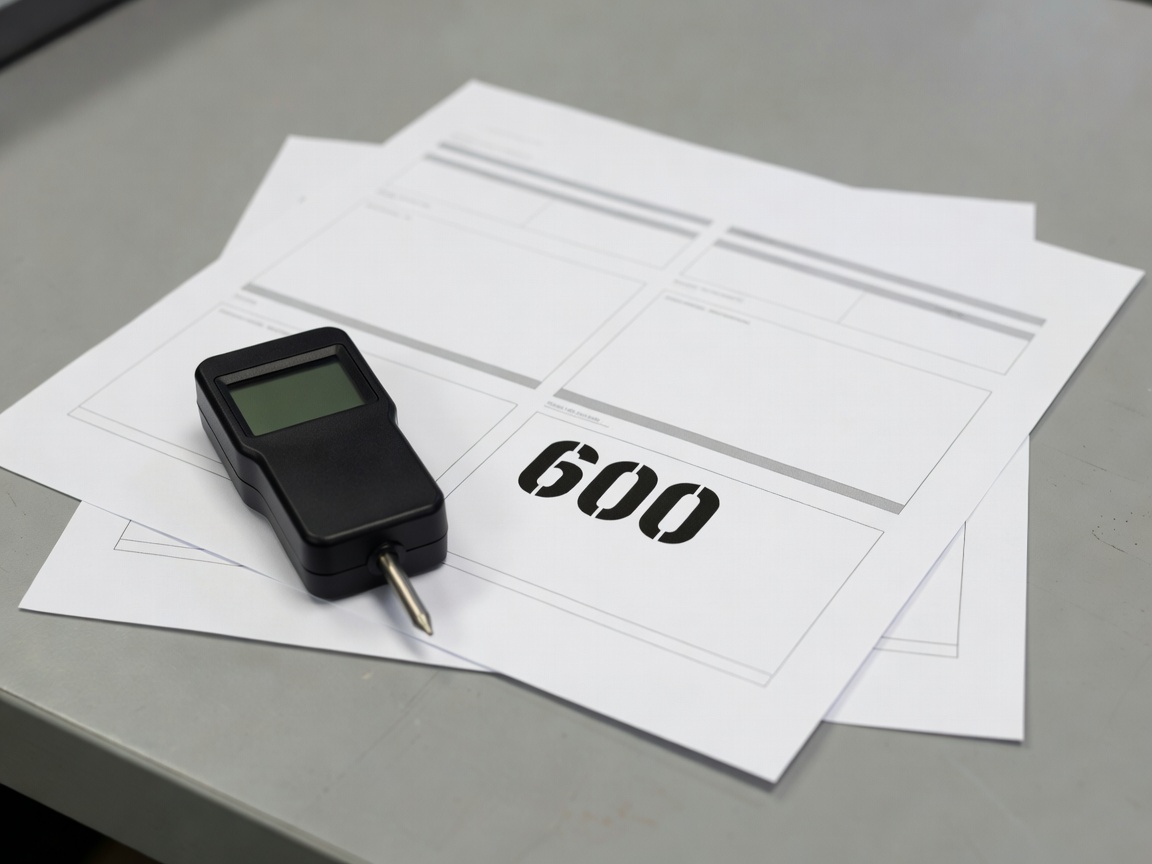
The 360-Degree Lighting Method
Inspecting a dark lacquer or metallic carbon finish under direct sunlight or in a dim parking bay masks stone chips and spider-web swirls.
- High-CRI inspection LED flashlights highlight clearcoat imperfections
- Wheel rim lips examined for kerb rash at all four quadrants
- Front bumper undertray and rear diffuser inspected with mirrors
The Step-by-Step Collection Sequence
When preparing for the transporter's arrival, follow this structured routine:
- Surface Preparation: Ensure the car has been washed within the last 48 hours. A car caked in road dust or dried rain spots cannot be accurately appraised; scratches can hide under surface grime.
- Odometer & Warning Lights: Photograph the digital instrument cluster with the ignition turned to auxiliary. Note the exact mileage reading and ensure no warning indicators (ABS, suspension error, airbag) are triggered.
- Loose Items & Luggage: Remove unfastened tools, garage remotes, loose coins, and personal electronics from the interior. Even modest cornering forces in transit can toss an unsecured object across delicate leather or touchscreens.
- Fuel Level Check: Maintain approximately 1/4 to 1/3 of a tank of fuel. This provides sufficient reserve for loading and minor repositioning without unnecessarily adding hundreds of kilograms of volatile fluid ballast to the transporter.
Handover Documentation Essentials
The physical or electronic collection manifest should contain explicit fields that must not be left blank:
| Field Item | Verification Standard | Significance |
|---|---|---|
| VIN & Engine Code | Direct visual match with chassis plate | Guarantees exact legal identity for customs & insurers |
| Mileage (Odometer) | Exact kilometer / mile recording | Confirms vehicle was strictly trailered, not driven between points |
| Bodywork Diagram | Detailed schematic marking all chips/dents | Eliminates post-transit disputes regarding minor cosmetic wear |
| Keys & Accessories | Count of main keys, spares, fobs, trickle charger | Prevents loss of expensive bespoke manufacturer key accessories |
| Signatures & Timestamp | Signatures of both releasing agent and driver | Establishes exact legal minute of custody transfer |
The Destination Delivery Protocol
When the enclosed transporter reaches the destination address, the reverse process must unfold with equal composure:
- Pavement Assessment: The driver verifies that offloading ground is level, dry, and clear of tree branches or overhead utility wires.
- De-Rigging: Tyre straps are unbuckled, winches released smoothly, and the horizontal lift lowered without abrupt hydraulic jolts.
- Side-by-Side Re-Inspection: The recipient walks around the vehicle holding the original collection report. Any discrepancy must be noted immediately on the final delivery slip before the driver leaves the property.
- Battery and Function Test: Start the engine, check that suspension lifts function normally, and ensure warning lights remain dark.
Quick Pre-Collection Checklist for Owners
Keep this printable checklist handy before handing over the keys:
- Vehicle clean, dry, and accessible on a level driveway
- Front lift activated or set to transport height if applicable
- Spare key, locking wheel nut key, and battery charger bagged and logged
- Photographic record taken of all four wheels, front lip, and roof
- Fuel tank at approximately 25% capacity
- Vehicle registration certificate and Carnet documents ready for driver
Atelier Handover Rule
Never rush the collection walkthrough. Taking fifteen unhurried minutes with the driver before departure eliminates 99% of all potential logistics disagreements.