The Realities of European Border Logistics
Within the Schengen and EU customs zones, goods move without standard tariff barriers. However, the moment a transport crosses into or out of the United Kingdom, Switzerland, Monaco, Andorra, or Norway, cross-border complexity spikes dramatically.
If you are moving a car to Switzerland for seasonal use, or taking a historic race car from the UK to a historic revival at Monza or Le Mans, the vehicle must enter under temporary admission procedures. Fumbling this paperwork can result in vehicles impounded at customs posts, punitive duty assessments, or delayed event entries.
The Power of the ATA Carnet
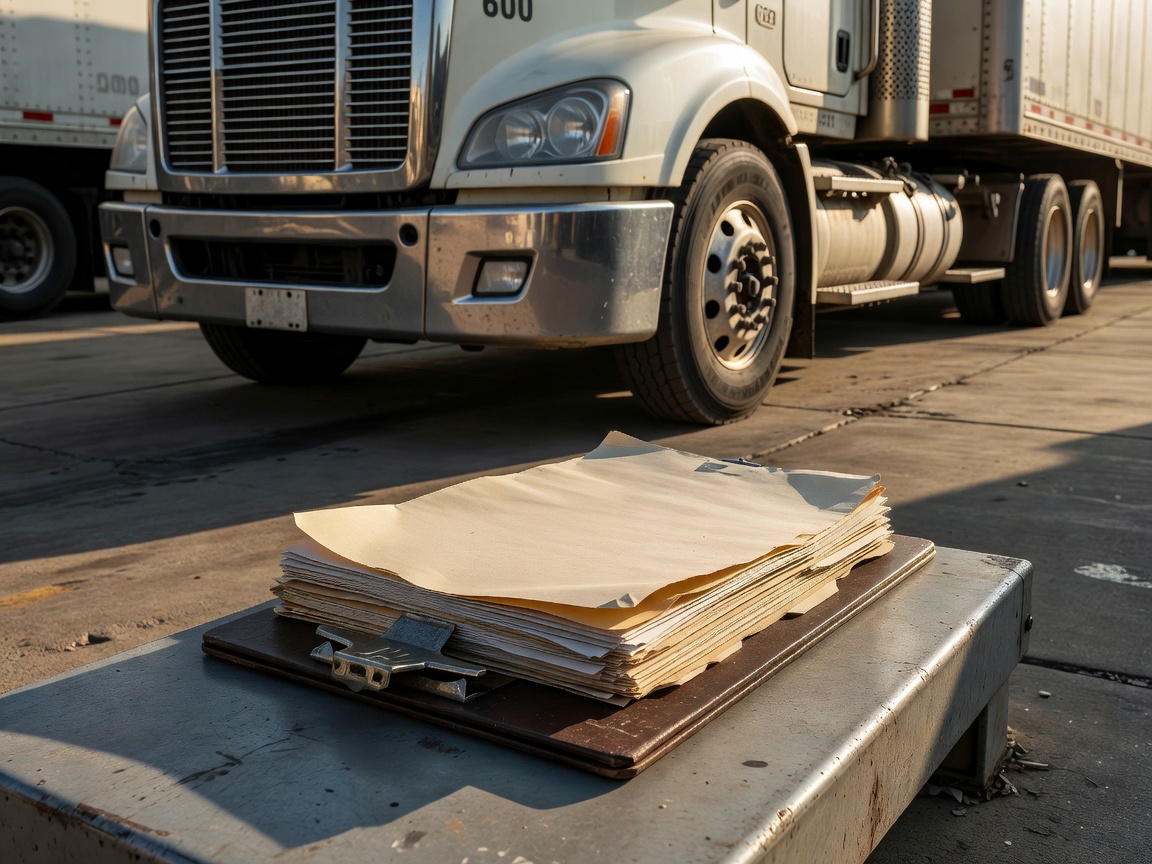
For temporary cross-border movements (rally events, track tests, museum loans, or seasonal displays), the ATA Carnet functions as an international passport for your vehicle.
- Eliminates VAT and import duties on temporary entry into non-EU territories
- Requires precise matching of VIN, engine number, and chassis plate
- Demands physical customs stamps at both exit and entry borders
Key European Transit Corridors
Cross-continental automotive routing involves critical bottlenecks that dictate scheduling:
- The English Channel: Moving between the UK and continental Europe relies on either the Eurotunnel Le Shuttle or ferry operators (Dover-Calais, Portsmouth-Caen). Dedicated enclosed transporters strongly prefer the rail shuttle: crossing takes 35 minutes, eliminates salty maritime air, and avoids deck movement.
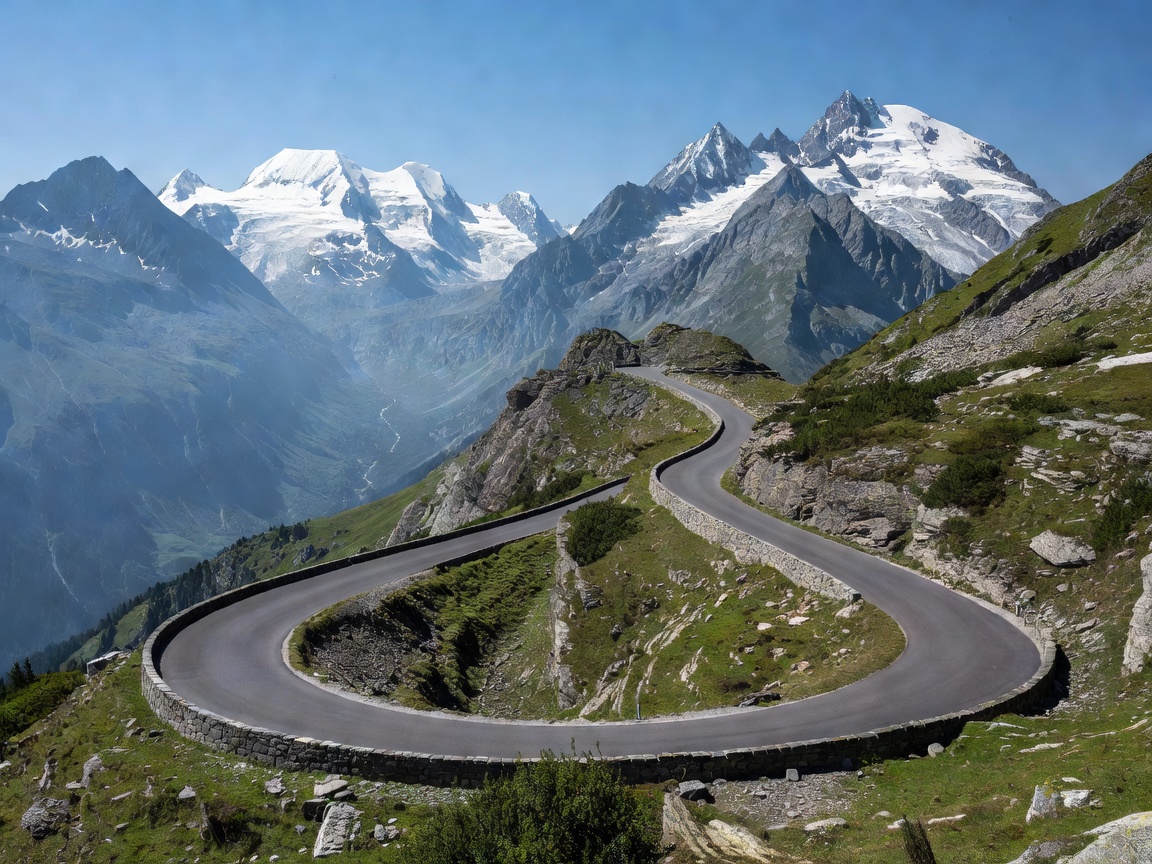
- The Alpine Corridors: Routes traversing between Northern Europe and Italy must conquer the Alps via the Mont Blanc Tunnel, Fréjus Tunnel, Gotthard Tunnel, or Brenner Pass. Severe winter conditions or sudden maintenance closures can add 8 to 14 hours if contingency bypasses aren't planned in advance.
- The Riviera Corridor: Coastal routes into Monaco and Cannes feature steep grades, heavy summer traffic restrictions, and strict municipal limits on commercial vehicles over 3.5 tonnes. Shuttle-vehicle transfer plans are essential here.
Sunday & Holiday Commercial Truck Bans
A crucial detail many car owners overlook is the strict calendar of commercial vehicle restrictions across France, Germany, Austria, and Switzerland. Heavy commercial goods vehicles (generally over 7.5 tonnes) are forbidden from operating on motorways on Sundays and public holidays.
| Country | Standard Ban Window | Impact on Delivery |
|---|---|---|
| Germany | Sundays & holidays from 00:00 to 22:00 | Long-haul multi-car rigs must halt; light 3.5t single-car rigs can operate |
| France | Saturdays 22:00 to Sundays 22:00 | Requires weekend itinerary adjustments for major South-bound transits |
| Switzerland | Sundays & night driving ban (22:00 to 05:00) | Night transits through Swiss territory require specialized exemptions or daylight staging |
Seasonal and Weather Planning
Crossing from Scandinavia or Bavaria down toward the Mediterranean between November and April exposes the transport to sub-zero blizzards at high passes and 20°C ambient temperatures on the coast.
Enclosed transporters must be equipped with full thermal insulation and certified winter tyres on both tractor and trailer axles. A puncture or mechanical breakdown on an isolated mountain toll road during an alpine storm can endanger vehicle condition if the trailer lacks structural insulation.
Border Checkpoints & Driver Protocol
Border customs officials frequently request to inspect the vehicle inside the enclosed trailer. A professional luxury car driver does not simply fling the doors open and allow untrained personnel to climb over delicate sills.
The driver supervises every inspection, opens covers using clean gloves, points out the VIN stamped on the chassis or windscreen base, and ensures no customs scanner or clipboard contacts the vehicle’s bodywork.
Route Planning Rule
Never calculate European vehicle delivery purely on highway distance. Always factor in customs clearance windows, tunnel maintenance schedules, and country-specific weekend truck driving bans.