What to Know First
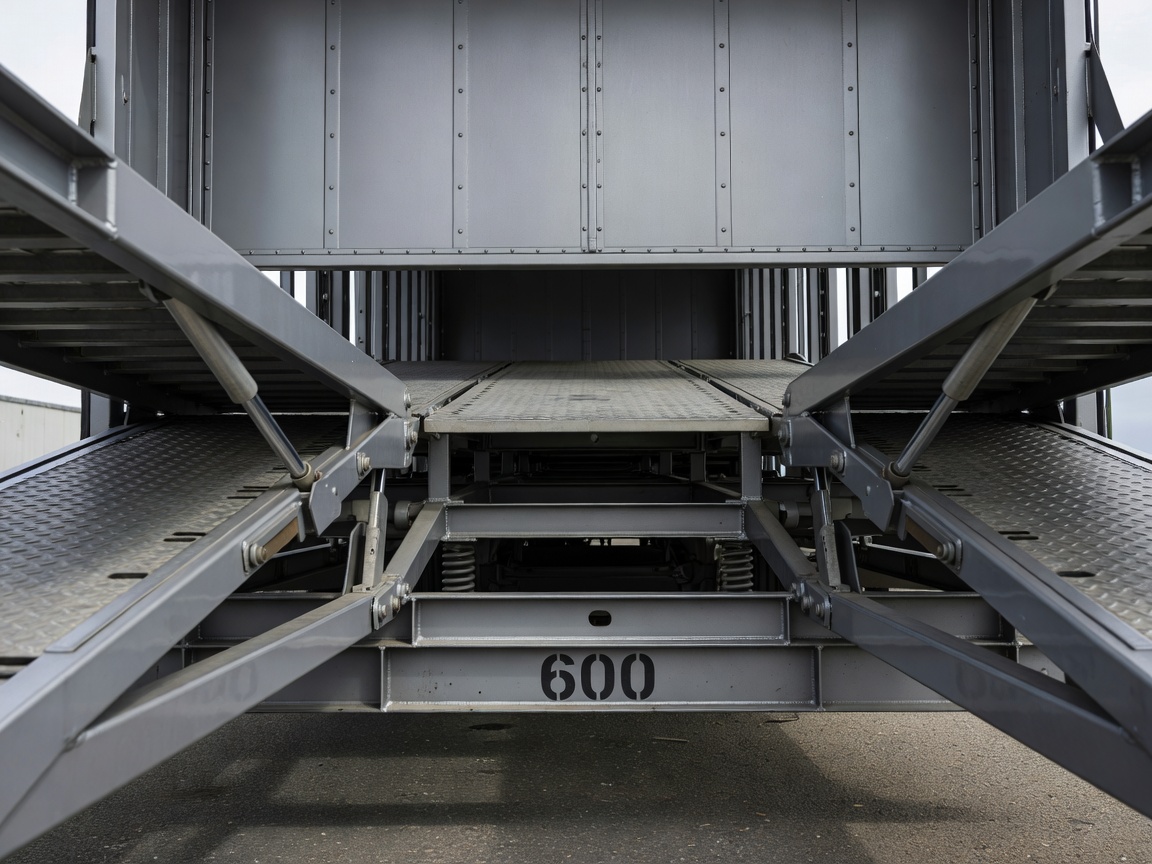
Enclosed transport isn't just an open trailer with a tarpaulin stretched over the top. Professional enclosed haulage employs rigid, hard-walled composite or aluminum bodies built on specialized air-ride chassis. Inside, the environment is isolated from wind currents, rain, UV rays, road salt, and ambient dirt. More importantly, it creates a completely invisible transit envelope. No one at a motorway service station knows whether the trailer contains a track prototype, a classic convertible, or an ultra-luxury grand tourer.
Why Enclosed Transport Matters
When a car sits on an open transporter, it is subjected to what the aerospace industry calls micro-abrasion. Road soot containing unburnt hydrocarbons, brake dust from the truck itself, and airborne stone fragments strike the forward-facing surfaces constantly. If your vehicle has delicate single-stage paint from the 1960s, hand-applied lacquer, or matte satin clearcoat, repairing that surface can easily outstrip the cost of enclosed freight by tenfold.
Then there is the mechanical dimension: modern supercars and racing machinery frequently have approach angles under six degrees. Trying to drive a low-splitter machine up standard 15-degree steel ramps will inevitably crush the front undertray or rip off rubber air dams. Enclosed trailers designed for luxury vehicles utilize horizontal hydraulic lift platforms or extended composite ramp ramps with angles as shallow as 4 degrees.
Horizontal Tail-Lifts vs Traditional Ramps
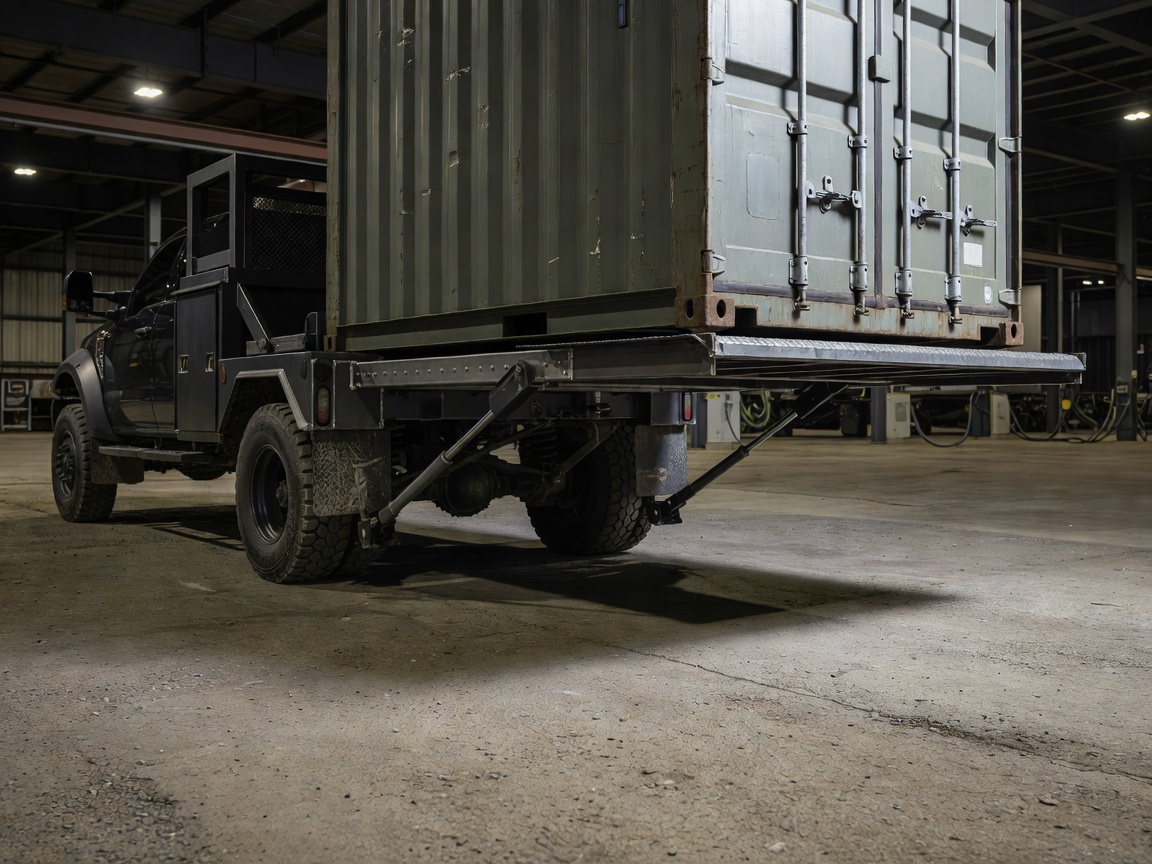
A vehicle with 80mm of ground clearance cannot crest a sharp ramp breakover angle without high-centering. Dedicated enclosed transporters utilize horizontal hydraulic tail-lifts that keep the car completely flat until it enters the trailer envelope.
- Zero belly-pan scrape on breakover angles
- Electric winches with synthetic ropes for cold or clutchless loading
- Continuous floor tracks allowing millimeter-accurate wheel positioning
How the Process Works
The loading sequence is a methodical dance. Before the car moves an inch, the transporter operator inspects the ground surface. Gravel or inclined driveways require repositioning to ensure the trailer’s stabilizers sit on solid, level ground.
Next comes the winching evaluation. Even if the car runs smoothly, high-performance multi-plate clutches and high-compression engines do not appreciate the delicate slipping required to nudge a car up an incline into a tight bay. Quality carriers prefer soft winching using non-marking recovery loops attached to certified chassis towing eyes, completely bypassing drivetrain stress.
Chassis Tie-Down Mechanics
How a car is anchored inside the trailer makes the difference between an effortless journey and damaged suspension geometry. In a proper enclosed rig:
| Method | How It Operates | Suitability |
|---|---|---|
| Over-the-Tyre Webbing | Wide non-abrasive straps wrap the tyre tread, pulling downward into floor tracks. | Gold standard. Allows the car's own suspension to float freely without compressing dampers. |
| Chassis Chaining | Rigid chains hooked to subframe holes and ratcheted down hard. | Strictly avoided for exotics and collector cars. Risks bending alloy wishbones and stressing bush joints. |
| Wheel Rim Straps | Straps threaded directly through alloy wheel spokes. | Acceptable only with felt sleeves, but over-tyre nets are vastly preferred to prevent clearcoat scuffing. |
What Can Affect Cost & Scheduling
Enclosed transport naturally commands a higher rate than open haulage, but the pricing dynamics are driven by very concrete operational parameters:
- Dedicated vs. Shared Space: A single-car dedicated run gives you exact collection and drop-off hours, while a multi-car enclosed route (typically 2 to 6 cars) offers shared freight costs with slightly broader delivery windows.
- Chassis Dimensions: Wide-body track cars or oversized vintage limousines may consume extra lateral clearance, dictating single-level or center-bay loading.
- Operating Status: Non-running project cars or vintage engines that must not be cranked require winch setups and dual-operator handling.
- Ferry and Tunnel Surcharges: Cross-channel or alpine freight transits require reserved slot bookings with oversized vehicle height categories.
Questions Worth Asking a Logistics Carrier
Before committing your vehicle, ask these simple questions across the table:
- What is the minimum approach angle of your loading lift or ramp extensions?
- Do you secure the vehicle solely by the tyres, or do you attach straps to suspension components?
- Will the vehicle remain inside the same trailer for the entire journey, or will it be cross-docked at an intermediate depot?
- What level of real-time route communication does the driver provide during transit?
Atelier Recommendation
Always insist on dedicated over-wheel webbing and confirm that the transporter carries adequate goods-in-transit cover tailored to high-value motor vehicles rather than standard weight-based carriage conventions.